Farmers Baseline Survey in Mchinji
In September 2025, AgriTech Enterprise conducted a baseline data collection exercise in Mchinji District to inform the design and implementation of its forthcoming Input Credit Program. The research team engaged with four farmer cooperatives—Miwawa, Ulira, Gomani, and Mavwere—during field visits conducted from 10 to 12 September 2025. The baseline survey focused on assessing the organizational capacity of the cooperatives, their readiness to participate in the input credit initiative, and key logistical and operational factors that may influence effective program delivery. The findings will support evidence-based planning and ensure the program is responsive to local conditions.
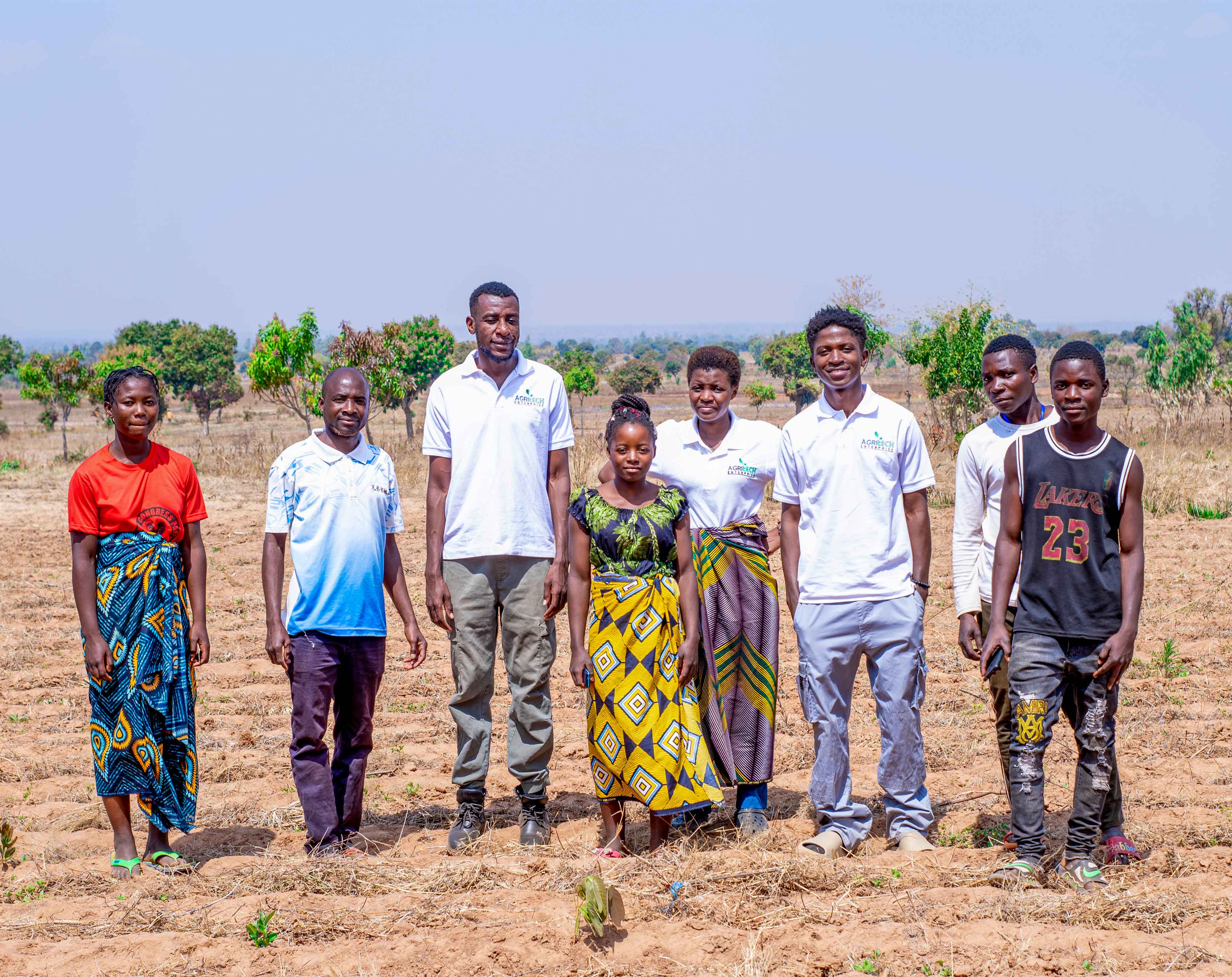
Data Collection Overview
Approach: The study employed a combination of structured interviews and field observations to generate both quantitative data and qualitative insights. Coverage: Data were collected from four farmer cooperatives across Mchinji District, selected to reflect varying levels of organizational maturity and physical accessibility. Focus Areas: Key areas of analysis included cooperative leadership and governance, member participation, access to agricultural inputs and markets, and farmer perceptions of AgriTech’s input credit model.

Key Insights from the Data
Levels of organizational capacity varied across the participating farmer groups. Some demonstrated strong leadership structures and effective coordination, while others showed promising potential but were constrained by logistical and accessibility challenges. A subset of groups was identified as requiring targeted capacity-building support to strengthen internal cohesion and operational effectiveness. Across all sites, timely delivery of seed inputs was consistently highlighted as a critical factor for successful program implementation.

Research Achievements
The exercise generated high-quality datasets to inform program design and targeting strategies. It enhanced understanding of farmer dynamics, input demand patterns, and cooperative performance across sites. In addition, the engagement strengthened relationships with local farmer groups, contributing to improved data reliability and mutual trust.

Next Steps
Incorporate findings into the design and rollout of the Input Credit Program. Leverage baseline results to guide ongoing monitoring, evaluation, and adaptive program management.
